Lt. Colonel Robert Maclaren retired from the British Army in 2001 after a long fulfilling career. On the day that he retired he received a letter from the Personnel Department of the Ministry of Defence setting out details of his pension and, in particular, the tax-free ‘lump sum’ award, (based upon completed years of service), that he would receive in addition to his monthly pension.
The letter read, “Dear Lt. Colonel Maclaren, We write to confirm that you retired from the Royal Scots Dragoon Guards on 1st March 2001 at the rank of Lt Colonel, having been commissioned into the British Army at Edinburgh Castle as a 2nd Lieutenant on 1st February 1366.
Accordingly your lump sum payment, based on years served, has been calculated as £68,500. You will receive a cheque for this amount in due course. Yours sincerely Army Paymaster”
Colonel Maclaren replied; “Dear Paymaster, Thank you for your recent letter confirming that I served as an officer in the Royal Scots Dragoon Guards between 1st February 1366 and 1st March 2001 – a total period of 635 years and 1 month.
I note however that you have calculated my lump sum to be £68, 500, which seems to be considerably less than it should be bearing in mind my length of service since I received my commission from King Edward III. By my calculation, allowing for interest payments and currency fluctuations, my lump sum should actually be £6, 427, 586, 619. 47p.
I look forward to receiving a cheque for this amount in due course. Yours sincerely, Robert Maclaren (Lt Col Retd)”
A month passed by and then in early April, a stout manilla envelope from the Ministry of Defence in Edinburgh dropped through Col. Maclaren’s letter box, it read:
“Dear Lt Colonel Maclaren, We have reviewed the circumstances of your case as outlined in your recent letter to us dated 8th March inst. We do indeed confirm that you were commissioned into the Royal Scots Dragoon Guards by King Edward III at Edinburgh Castle on 1st February 1366, and that you served continuously for the following 635 years and 1 month.
We have re-calculated your pension and have pleasure in confirming that the lump sum payment due to you is indeed £6, 427, 586, 619. 47p.
However, we also note that according to our records you are the only surviving officer who had command responsibility during the following campaigns and battles; The Wars of the Roses 1455 -1485 (Including the battles of Bosworth Field, Barnet and Towton) The Civil War 1642 -1651 (Including the battles Edge Hill, Naseby and the conquest of Ireland) The Napoleonic War 1803 – 1815 (including the battle of Waterloo and the Peninsular War) The Crimean War (1853 – 1856) (including the battle of Sevastopol and the Charge of the Light Brigade) The Boer War (1899 -1902) World War One (1914-1918).
We would therefore wish to know what happened to the following, which do not appear to have been returned to Stores by you on completion of operations: 9765 Cannons 26,785 Swords 12,889 Pikes 127,345 Rifles (with bayonets) 28,987 horses (fully kitted) Plus three complete marching bands with instruments and banners. We have calculated the total cost of these items and they amount to £6,427,518.119.47p. We have therefore subtracted this sum from your lump sum, leaving a residual amount of £68,500, for which you will receive a cheque in due course. Yours sincerely . . . .”
London is a city in England. It is both the capital city of England and United Kingdoms. United Kingdoms is made of four countries; England, Scotland, Wales and Northern Ireland. This means that London is hub of tourists. Let’s travel and take a look at few interesting sites in London.
These include:
1. The tower of London
2. Churchill war rooms
3. The tower bridge
4. The national gallery
5. Westminster abbey
6. The British museum
7. The Victoria and Albert museum
8. St. Paul cathedral
9. Borough Market
10. Hyde Park
11. London eye
12. Kew Gardens
13. Piccadilly circus
14. Big Ben
15. Hampton Court Palace
16. Leicester Square
) 17. Millennium bridge
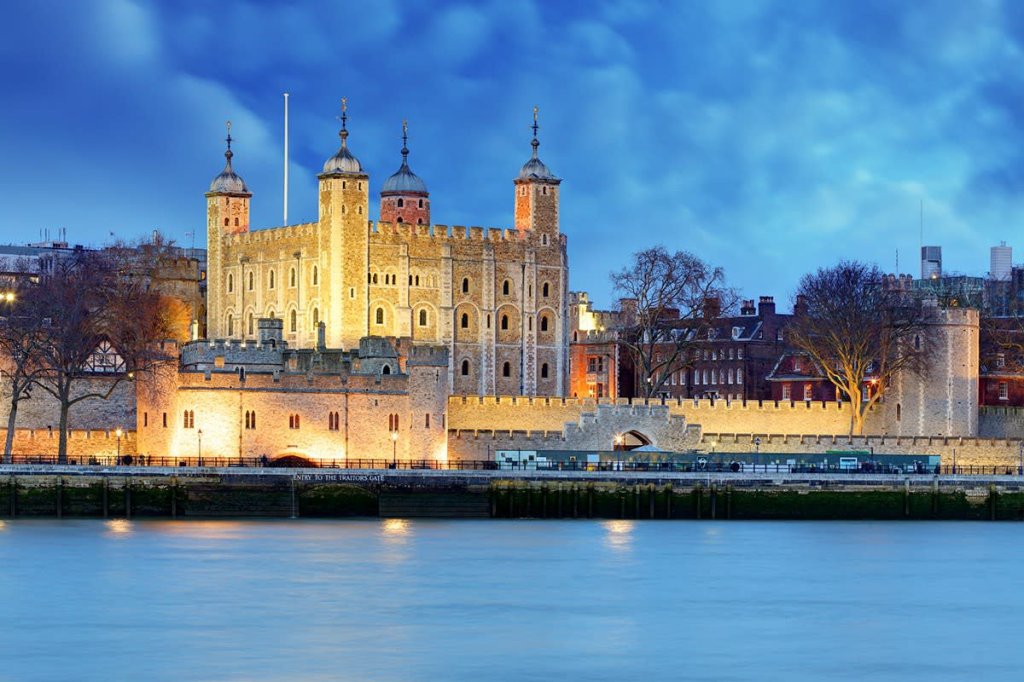
1. The tower of London
This is London’s iconic Castle and World Heritage site. It is an historic castle located on the north bank of River Thames in Central London. It was founded towards the end of 1066 as part of the Norman conquest.
The same castle was used as a prison from 1100 until 1952. It is built on a 4.9 hectare of land and has a height if 27 metres. The tower has served as a treasury, the home of Royal Mint, public record office and the home of the Crone Jewels of England.
In the second World War, the tower was once again used as a prison but thereafter reopened to public. Currently, it is one of the popular tourist attraction site in England.
2. The churchill war rooms
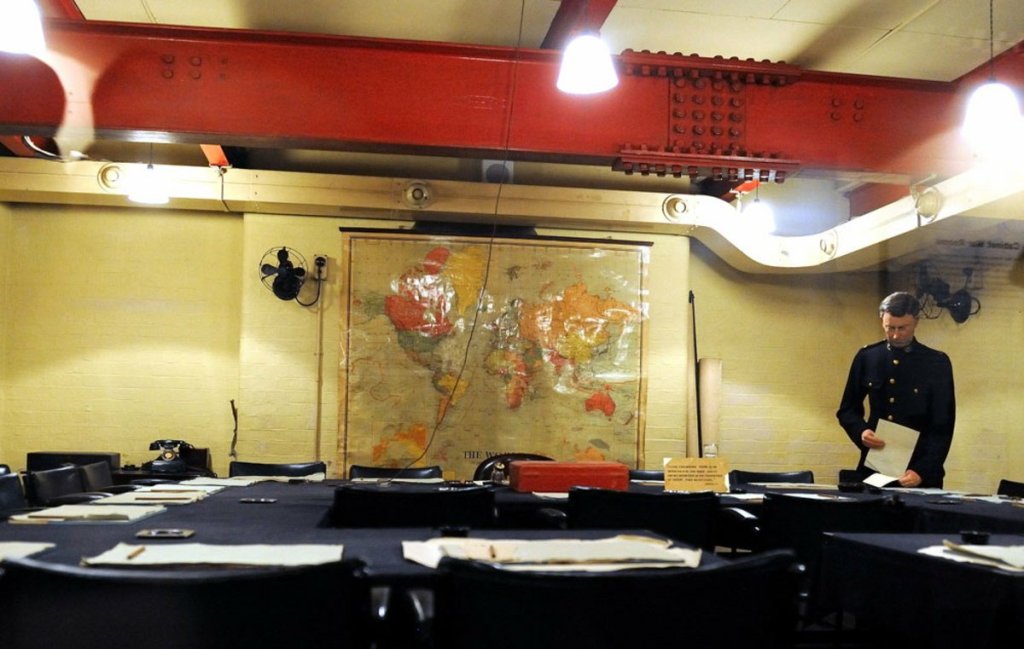
This is a museum in London which is counted as one of the five branches of Imperial War museums. It was established in 1984. Its location is at King Charles Street, London.
Here there are much to discover. You will see the cabinet room where some of most important decisions about course of World War were made. This is the place where if you want to study about World War in deep, will be best for you.
3. The tower bridge
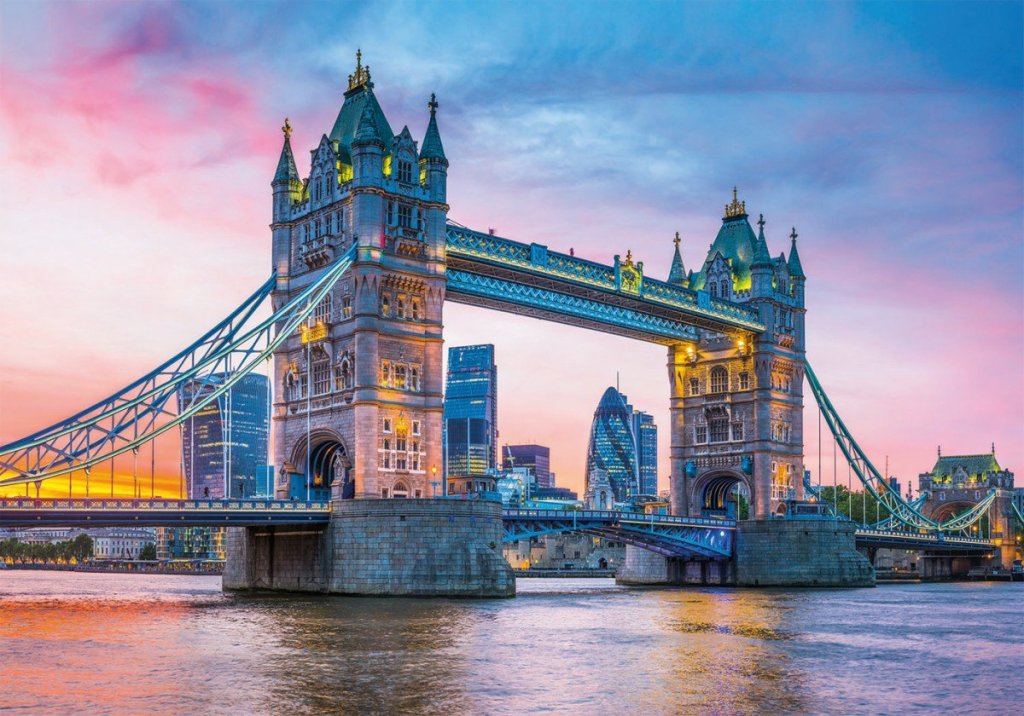
This is another landmark of England. It was built between 1886 and 1894 which was engineered by John Wolfe Burry. The tower is constructed across River Thames Close to the Tower of London.
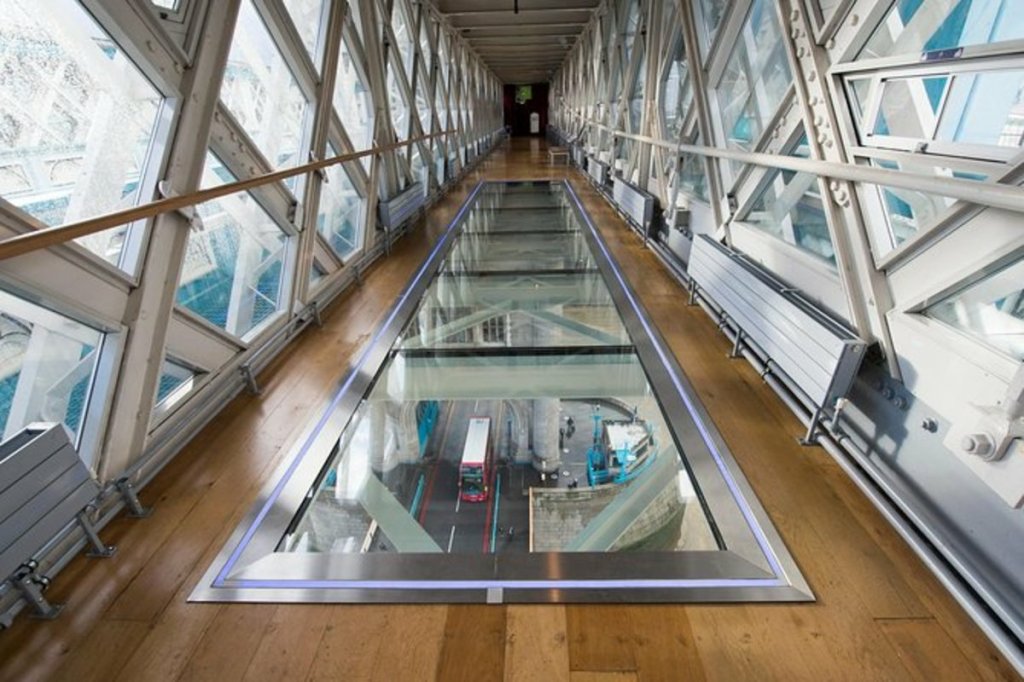
It is a great experience on this bridge. While in this bridge at high level walkways, through the glass floor you will enjoy the stunning panoramic views and experiences of London.
Let me give you a slight history of the bridge. Before it was constructed, over 50 designs were submitted to the committee for consideration. Lastly, Sir, Horace Jones, the city architect in collaboration with John Wolfe Barry, offered the chosen design for Tower Bridge as a solution.
It took 8 years under construction with not less than 432 construction workers. It was opened by Prince and Princes of Wales with great celebrations on June 30th in 1894.
4. The National gallery
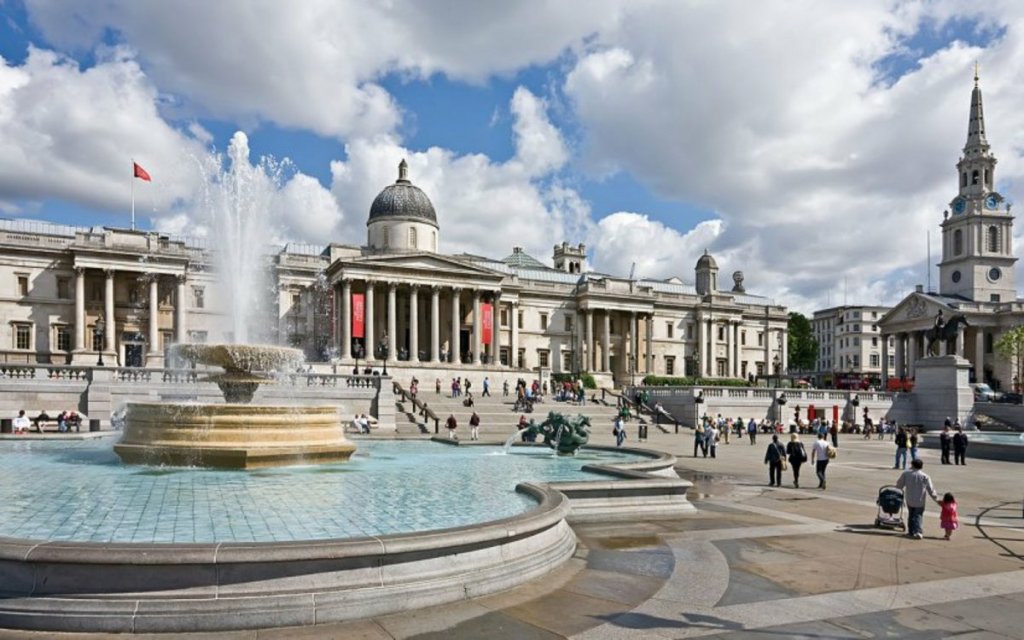
This is another historical museum of art gallery in Trafalgar Square in London. It was founded in 1824 which houses a collection of over 2,300 paintings of between 13th to 19th century.
Here you will find all major traditions of Western European paintings represented from the artists of late medieval and renaissance.
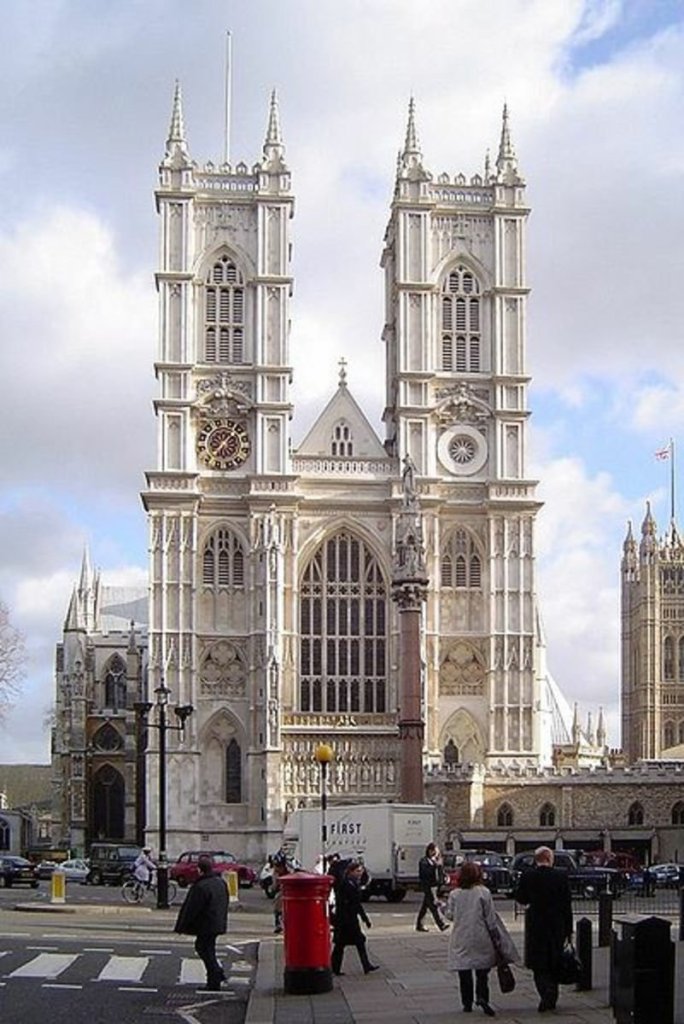
5. Westminster abbey
This is one of the United Kingdom’s most notable religious building. It was originally a Catholic Benedictine Monastic Church until until the monastery was dissolved in 1539.
It is a site of burial for more than 3,300 persons in British History. This include 26 monachs, 8 prime ministers, actors, scientists, military leaders and other unknown warriors.
It has also been the setting for every coronation since 1066 and for many other royal occasions. During the second World War, Abbey suffered great damages but daily worship continued. Up to today, they have retained a tradition of Christian worship.
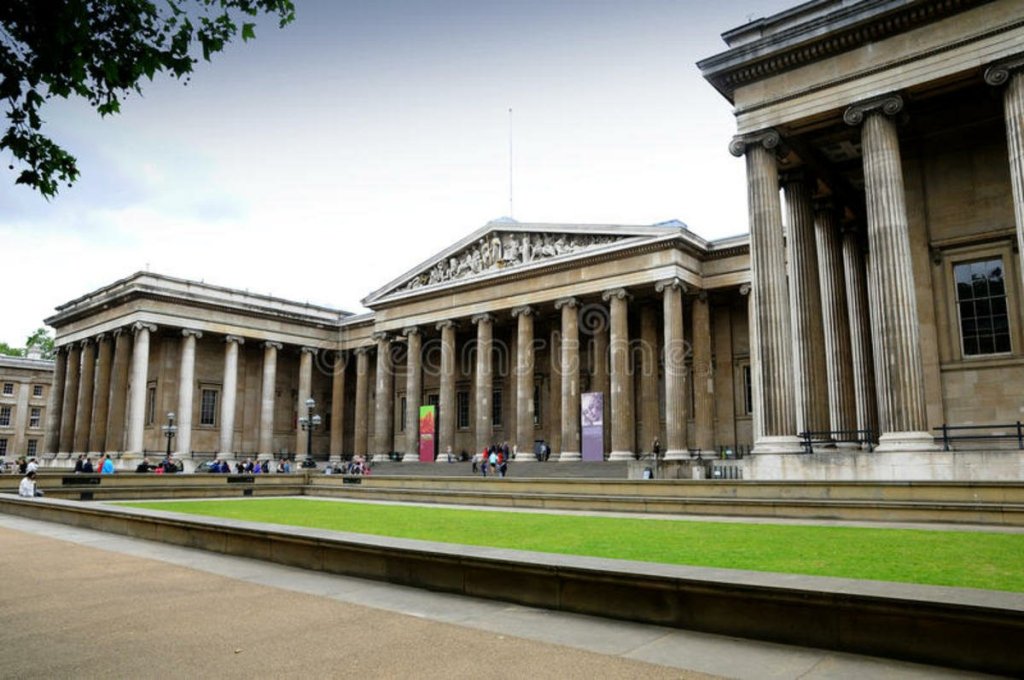
6. The British museum
This is located in Bloomsbury area of London. It contains the collection of about 8 million works among the largest in existence.
This is actually the first public national museum in world. It was established in 1753 and was opened to public in 1759.
Here you will meet the richest stonehenge man who was buried among remarkable gold and bronze objects in around 2000 BC. Stonehenge is the world’s most famous prehistoric monument.Text
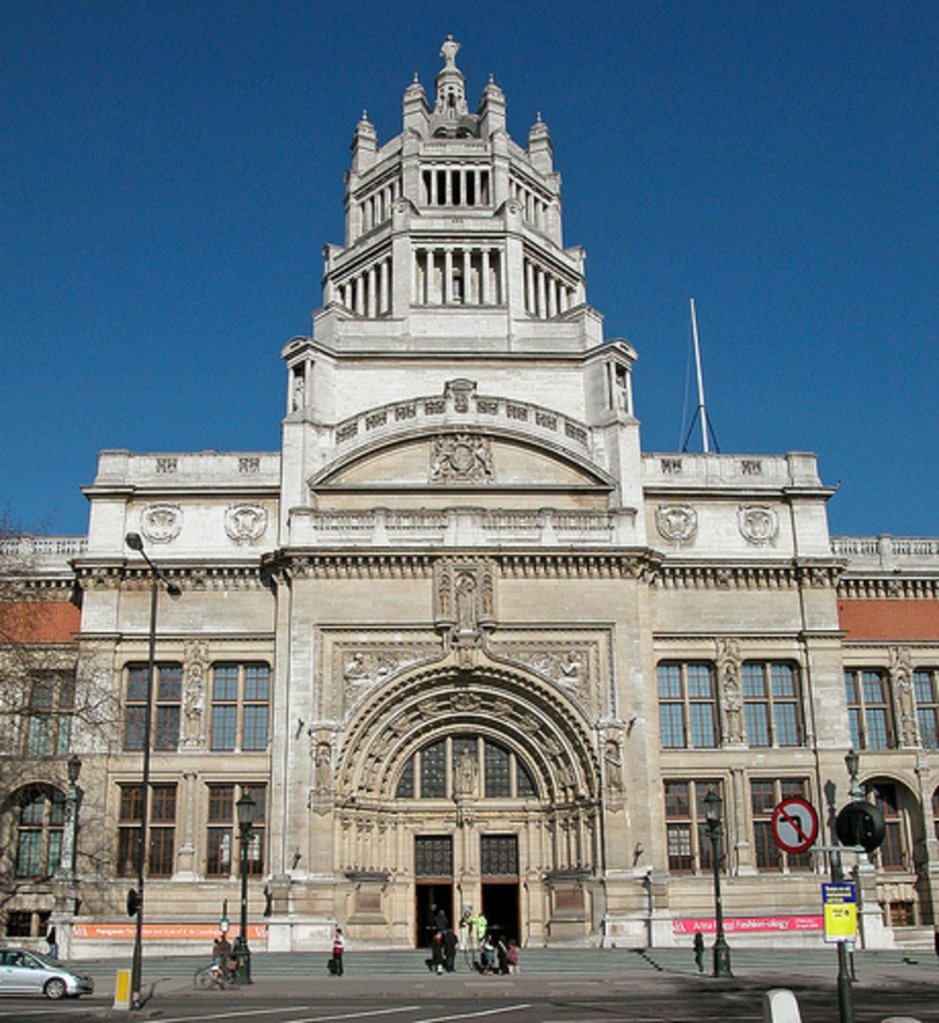
7. The Victoria and Albert museum
This is one of the world’s leading museum of art, design and performance. It host temporary exhibitions, including blockbuster shows on fashion designs and cultural trends.
Here you will find examples of each architecture, painting, jewellery and fashion of all over the world. It was founded by Prince Albert in the 1850s. It is the building covering about 12.5 acres with seven floors.Text
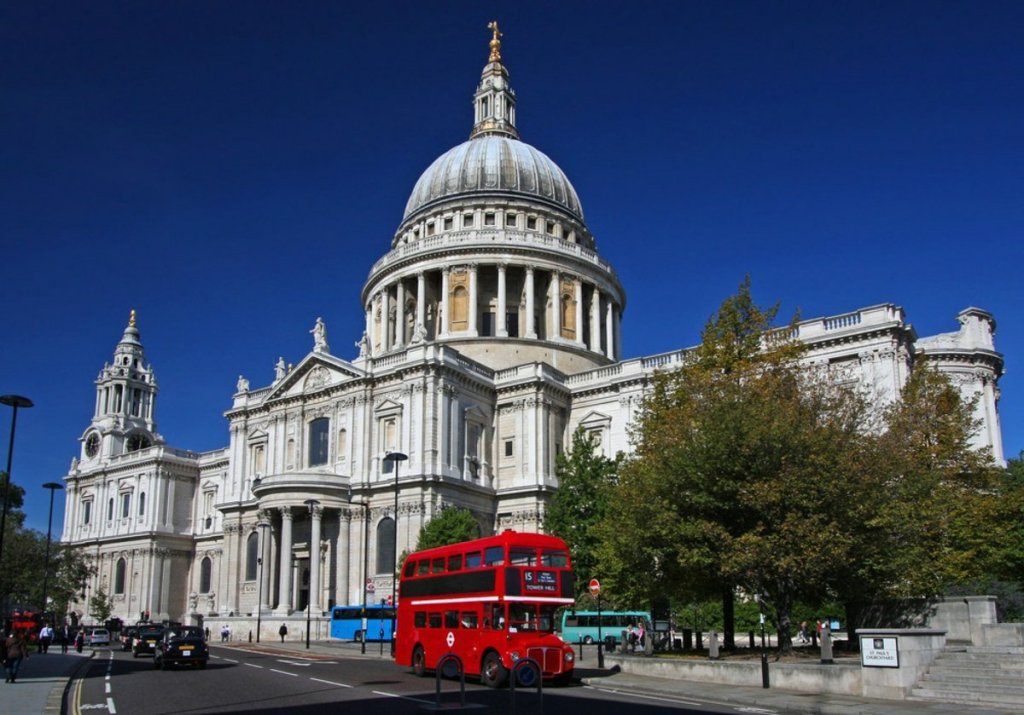
8. St. Paul cathedral
This is the largest church in London. It is an Anglican churlish serves as the mother of church of Diocese of London.Photo
Here you will enjoy swimming and boating. It has an average of 400 trees and a large lake. Other highlights include speaker’s corner, an historic site of public and sports fan can make use of Hyde Park Tennis and sports centre which has football pitch.Text
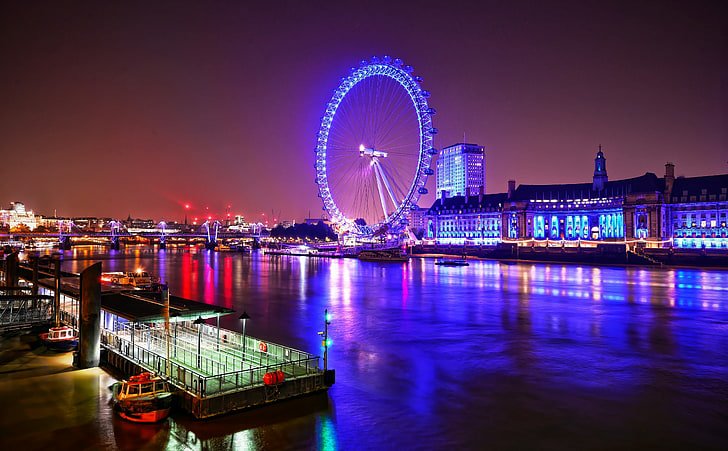
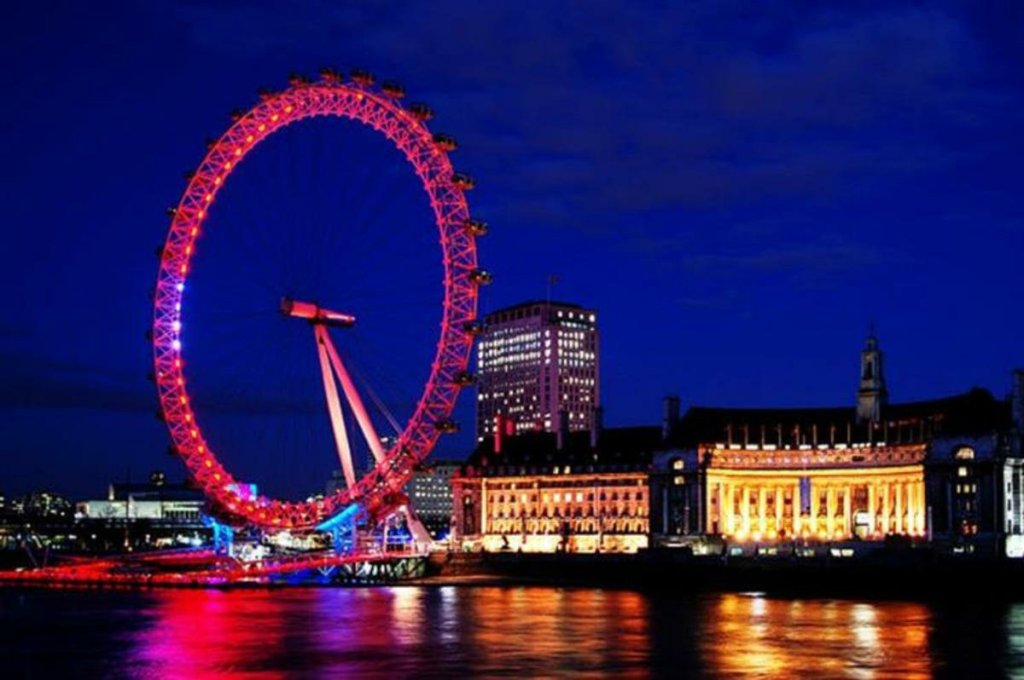
11. London eye
This is the millennium wheel which is situated on the south bank of River Thames in London.
It is the Europe’s tallest cantilevered wheel. It attracts tourists from all over world. Its height is 135 metres and is owned by Merlin Entertainments. Its diameter is 120 metres.Text
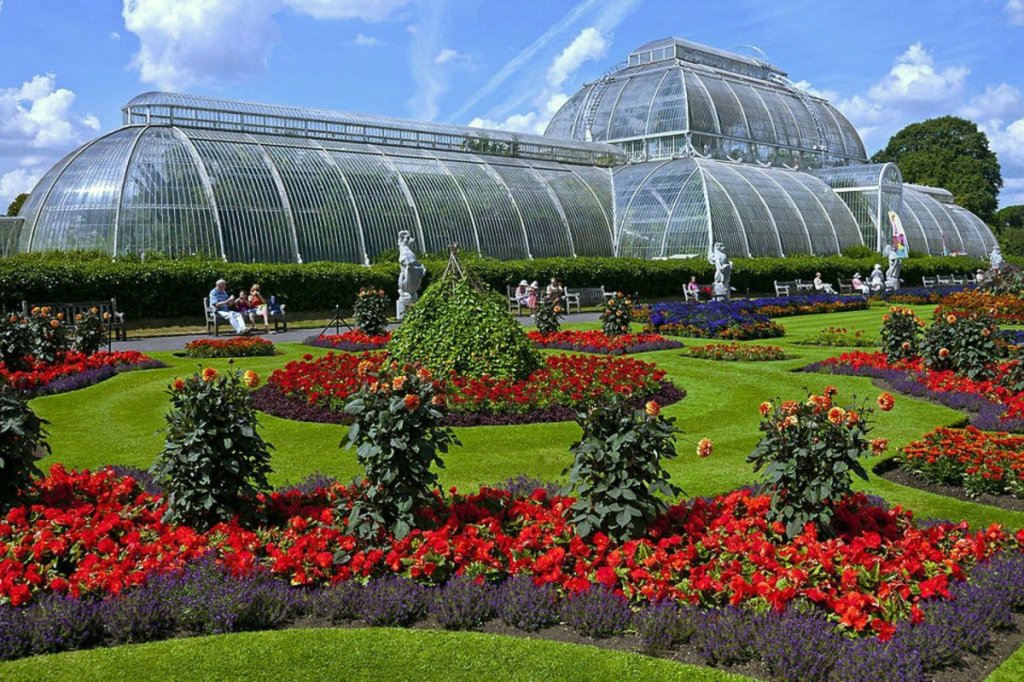
12. Key gardens
Upon your visit at Kew Gardens, you will find an arboretum which is collection of temperate woody plants on 100 hectares of botanical plantings.
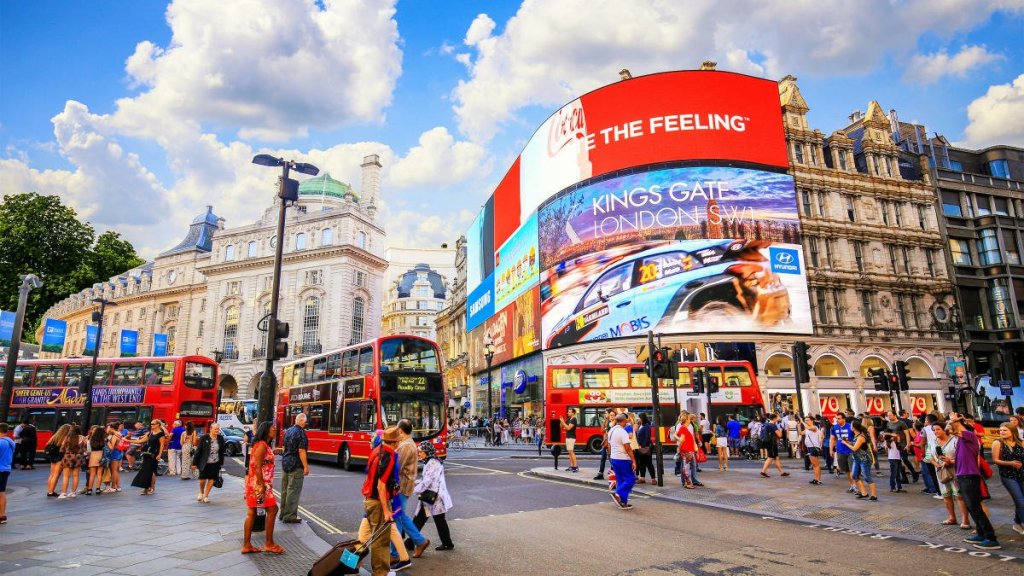
13. Piccadilly circus
It is synonymous leisure and entertainment place. It is where many people from within and other tourist choose to meet. This is because it is close important leisure and shopping areas. It is located atvthe central London.
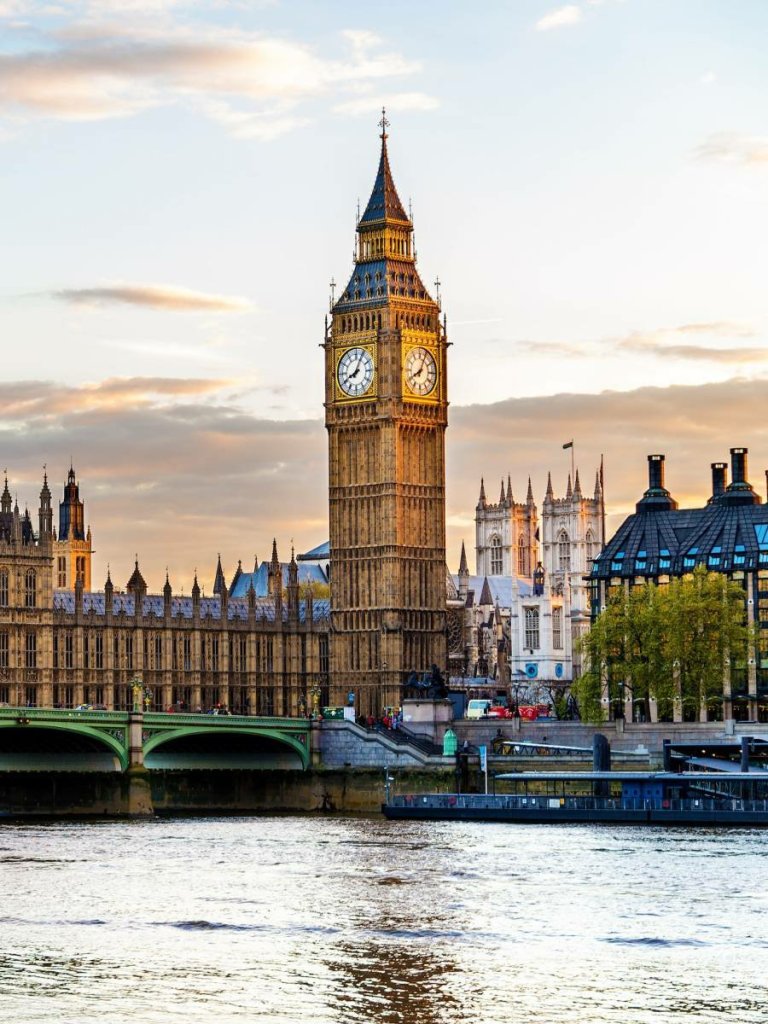
14. Big ben
This is a tower clock known for its accuracy. It weights 15.0 tonnes. It chimes after every one hour and smaller bells around it chimes after every 15 minutes.
It was formally known as St. Stephen’s Tower until 2012 when it was renamed Elizabeth Tower on the occasion of Elizabeth II’s Diamond Jubilee.Text
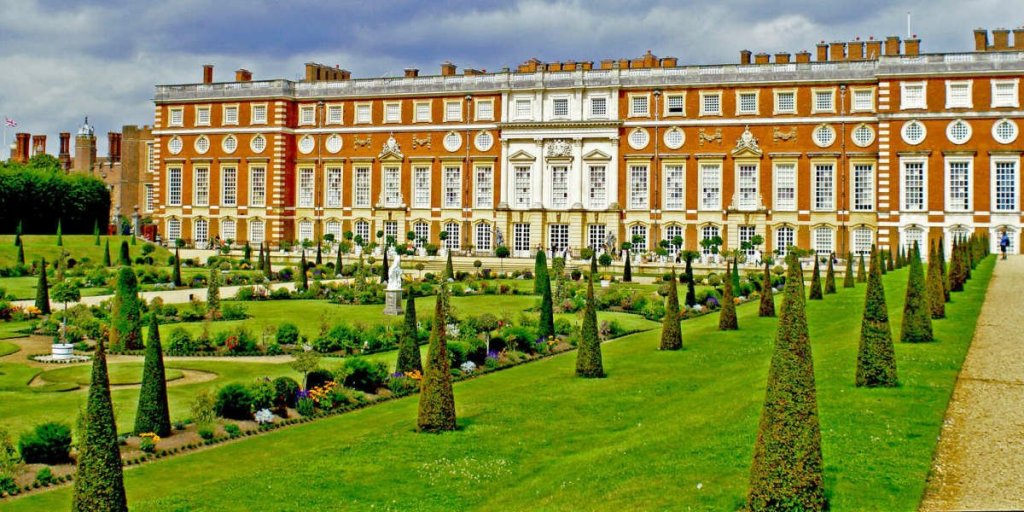
15. Hampton Court Palace
This building began in 1514for Cardinal Thomas Wolsey, who was the chief minister of King Henry VII. In 1529, it was possed by king and favoured it as his residence.
He also enlarged it so that it could easily accommodate his retinue of courtiers. This palace was later possessed by Queen Elizabeth II and the Crown.
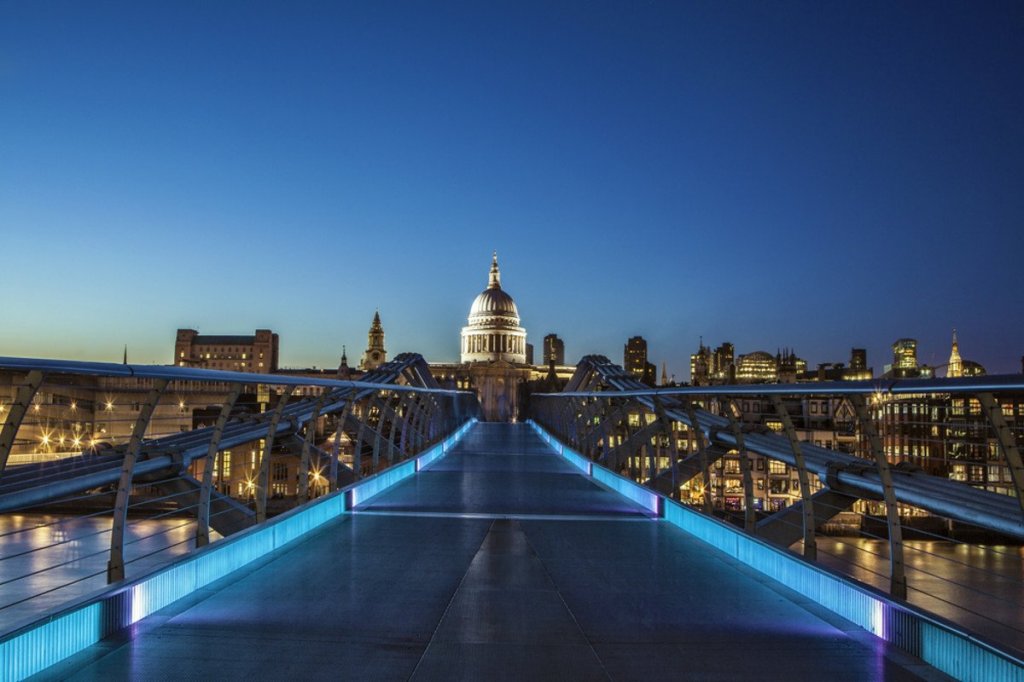
16. Millennium Bridge
This was the first bridge to be built over River Thames in London. It was officially opened by Queen on 10th June, 2000.Photo
This bridge is perfectly aligned to create a terminating vista of the south facade of St. Paul Cathedral. It is purposely for pedestrians. Its width is 4 metres and has a total length of 370 metres.Text
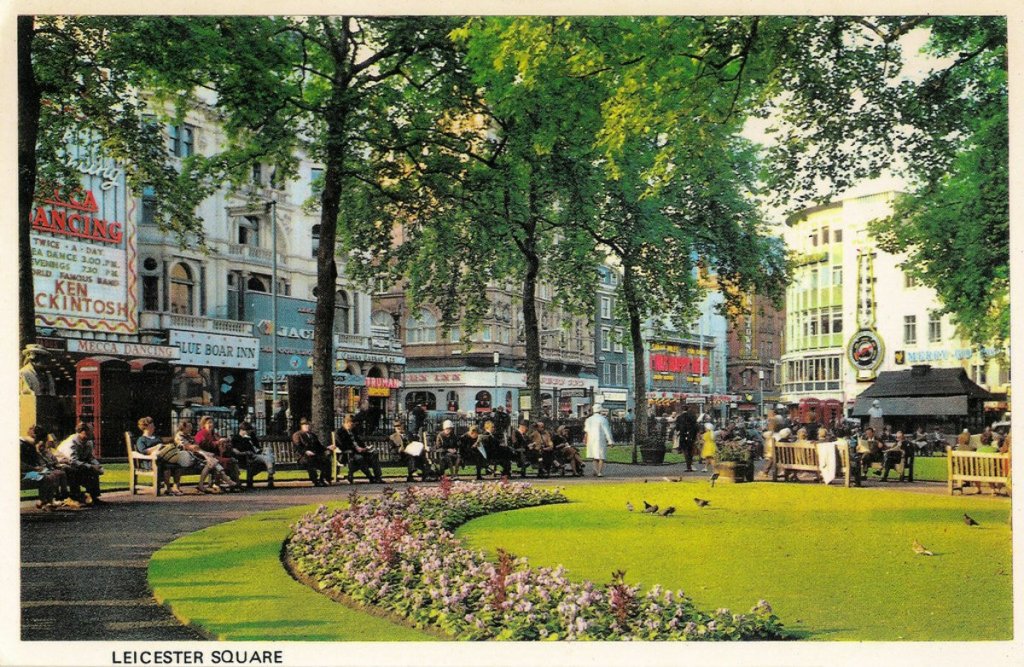
17. Leicester Square
It started construction residence which included a large square open to the public in 1750. It is the centre of entertainment. It hosts the national significant cinemas such as Odeon Leicester Square and Empire.
It remains one of the tourist attractions in London which even hosts events like for the Chinese New year.
In conclusion, I would like to know which is the best city in the world you would wish to visit among these.

 Wonders Hub